Elevators have become an important consideration in apartment buildings, housing societies, multi-storey homes, and residential developments. Yet selecting residential elevators involves decisions that can affect residents for many years after construction is complete.
For builders, housing societies, and homeowners in Gurgaon, Haryana, evaluating the provider carefully is as important as evaluating the equipment.
Confirm the Building Requirement First
A provider cannot recommend an appropriate system without understanding the property.
Prepare basic project information such as:
- Number of floors
- Approximate resident population
- Expected passenger traffic
- Shaft dimensions
- Proposed lift capacity
- Accessibility requirements
- Power availability
- Project stage
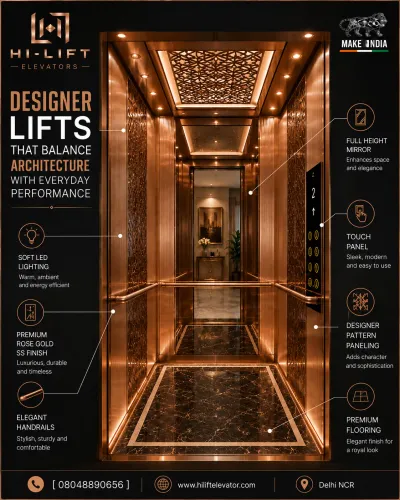
- Desired cabin finish
For an existing building, site conditions need to be assessed rather than relying solely on drawings.
Look Beyond Cabin Appearance
Cabin interiors are important in residential properties, but finishes should not dominate the purchasing decision.
Residents experience door performance, ride comfort, floor levelling, waiting time, ventilation, control usability, and reliability every day.
A balanced evaluation should therefore consider drive technology, controls, safety provisions, door systems, installation quality, maintainability, and interior design.
Ask About Accessibility
Residential buildings serve children, adults, senior citizens, visitors, and people with different mobility needs.
Suitable entrance width, cabin dimensions, control positioning, handrails, lighting, floor levelling, and other accessibility considerations should be discussed according to project requirements.
If wheelchair use is anticipated, it should be specified before cabin dimensions are finalized.
Examine the Maintenance Arrangement
Elevator ownership continues long after installation.
Before appointing a provider, ask:
- What preventive maintenance is recommended?
- What is included in the service scope?
- How are breakdown calls handled?
- How are recurring faults documented?
- What parts may require periodic replacement?
- Who should residents contact during an operational problem?
Clear service arrangements are particularly important for housing societies where many families depend on the elevator daily.
Check Modernization Capability
An elevator is a long-term building asset. Over time, controls, drive systems, doors, fixtures, cabin interiors, or other components may require upgrading.
A provider with modernization capability can assess ageing installations and determine which systems may need improvement without assuming that every older lift requires complete replacement.
This can become relevant when evaluating lifecycle planning.
Compare Quotations on Equal Specifications
Residential elevator quotations may appear similar while covering different technical scopes.
Compare rated capacity, travel, stops, speed, door arrangement, drive system, controller, cabin dimensions, finishes, electrical scope, civil requirements, safety provisions, installation responsibilities, warranty terms, and maintenance conditions.
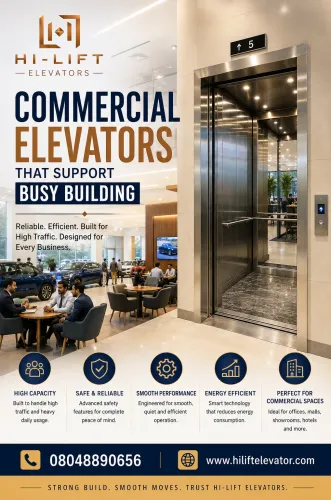
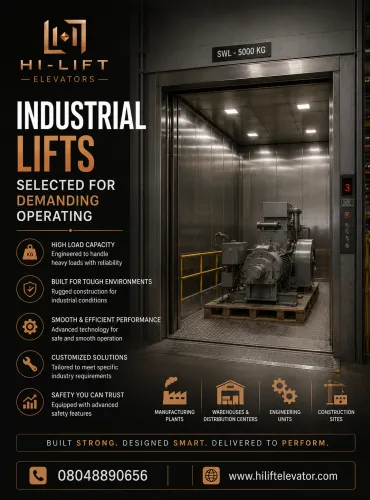
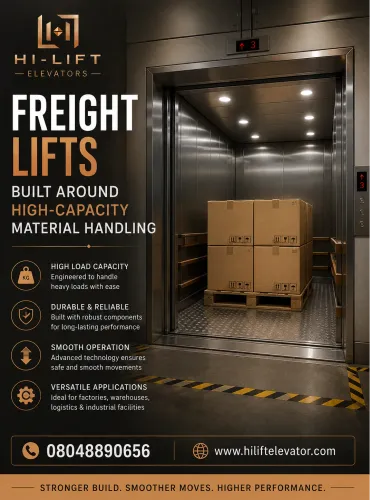
Hi-Lift Elevator provides elevator manufacturing, installation, modernization, repair, and maintenance services for different building requirements.
Gurgaon's residential properties range from individual houses to high-density developments, so no single lift configuration suits every project.
A provider should be able to explain why a particular elevator fits the property, what building provisions it requires, and how it will be maintained after commissioning. Those answers provide far more useful purchasing guidance than selecting a residential elevator solely from appearance or initial quotation value.
Keywords